
By Violet Ashley, student writer, Schnitzer School of Global Studies and Languages
On the 250th anniversary of its founding, the U.S. is embroiled in a crisis of its national vision. From the beginning, the American national project was distinctive because it articulated itself in universal terms. The country’s founding language did not merely define rights for Americans; it made claims about humanity as such. Its assertion that everyone is created equal and endowed with "unalienable rights" presented a vision whose ambitions extended far beyond the boundaries of a single nation.
The 2026 Harold Schnitzer Distinguished Symposium on Oct. 6, “We Hold These Truths: 250 Years of the American Experiment at Home and Abroad,” will explore the tensions, contradictions and enduring possibilities of that universal promise.
For the symposium, the Schnitzer School of Global Studies and Languages and the Wayne Morse Center for Law and Politics welcome four distinguished panelists: Pulitzer Prize–winning journalist Nicholas Kristof and leading scholars of citizenship, political development, race, gender, immigration and civil rights Peter J. Spiro, Carol J. Nackenoff and Megan Ming Francis. Dan Tichenor, director of the Wayne Morse Center, will moderate the panel.
“These scholars will invite us to ask not only whether the nation has lived up to the aspirations of ‘We hold these truths to be self-evident,’ but also how it was decided who may enter, who belongs and what qualities a ‘proper’ citizen is expected to possess,” said Aneesh Aneesh, executive director of the Schnitzer School.
Panelists will:
- Examine how ideals first articulated in the founding of a particular nation came to shape struggles over citizenship, equality and human rights both within the United States and across the world, and how the United States itself has lived up to, fallen short of and repeatedly reinterpreted those ideals.
- Contend with the promises and perils of the American experiment and explore how the country’s founding ideals have been stretched, reinterpreted and at times betrayed.
- Invite attendees to consider what the American experiment means at 250 and what possibilities remain for renewing a more inclusive democracy at home and abroad in the decades ahead.
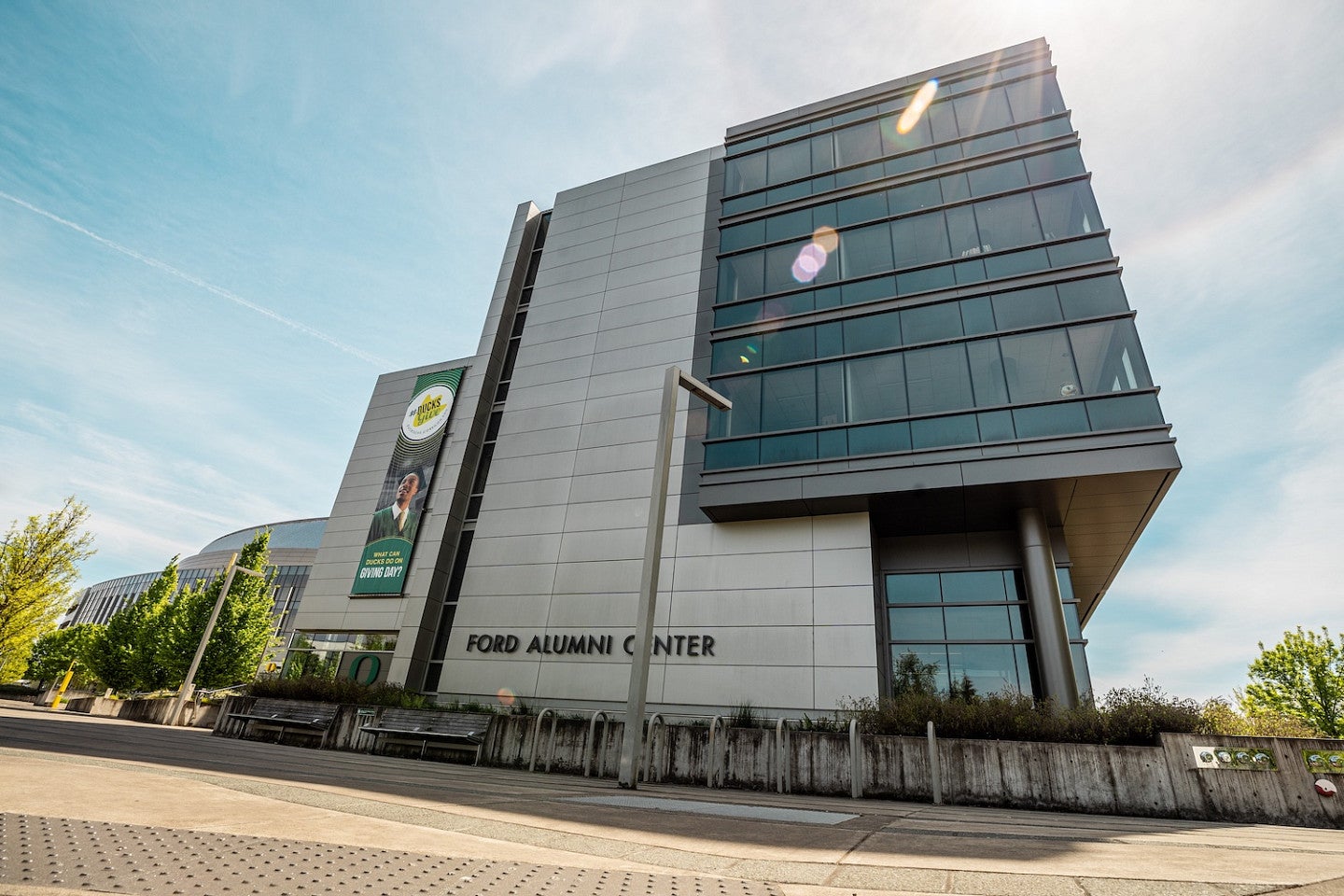
The event Oct. 6 at 5:45 p.m. in the Giustina Ballroom of the Ford Alumni Center is open to the public and includes time for questions. It is made possible by a generous endowment from Jordan Schnitzer and the Harold & Arlene Schnitzer CARE Foundation. It will also be live-streamed and recorded here.