

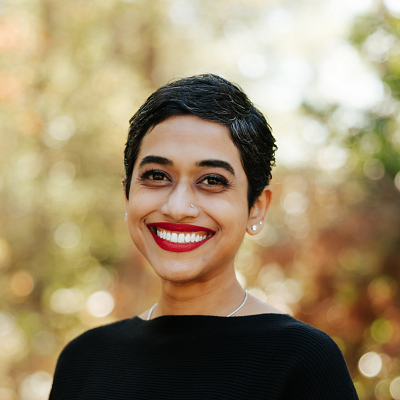
Name: Deepa Das Acevedo
Email: dasacevedo@emory.edu
Affiliation: Emory University School of Law
Bio:
Dr Deepa Das Acevedo is a legal anthropologist and work law scholar. Since 2020, she has been studying faculty tenure as an employment protection in an effort to redirect conversations about academic labor dynamics. Das Acevedo built an original national database of tenured-faculty-terminations, the "Tenured- Terminations Study," which provides an unprecedented empirical snapshot of how tenure functions. Insights drawn from the TTS have been published in the Employee Rights and Employment Policy Journal and the Tennessee Law Review, and are forthcoming in the Journal of College and University Law. Her crossover monograph, The War on Tenure, was published by Cambridge in 2025; it translates academic labor practices and concerns for a generalist audience. The War on Tenure has been featured on several higher-ed related podcasts -- Tea for Teaching, the New Books Network, College Matters (hosted by the Chronicle of Higher Education), Ed Up Insights, among others -- and Das Acevedo's bylines have appeared in TIME, Barron's, InsideHigherEd, and Chronicle. Lately, her work has focused on the intersection of academic labor and expressive freedom.
Abstract:
Academic Freedom in the Age of Viral Communication
This presentation draws on research at the intersection of law, higher education, and communication studies to identify patterns in recent speech- related controversies and to brainstorm strategies for mitigating their effect on scholars. Events like Maura Finkelstein’s termination and the post-Charlie Kirk terminations suggest that pressures on academia are accelerating. These pressures are often dismissed as “just politics”--disingenuous and unnecessary. Without denying the importance of political antagonism, I show that this acceleration is also due to changes in law (specifically, the doctrine applicable to all public institutions and many private institutions) and under- appreciated aspects of higher education (the nature and dynamics of academic credentialing and work). My recent scholarship has explored the concept of extramural speech—particularly, social media speech— from both these angles. On the one hand, I show how it’s difficult to coherently and consistently identify extramural speech. Simultaneously, though, I show that changes in relevant legal doctrine and in technology make it hard for faculty (like other workers) to engage in any speech without fear of reprisal. I will share some strategies for faculty and institutions that emerge from my research, but I am also interested in working with participants to develop more ideas. This presentation would suit either the “Autonomy Under Pressure” or the “Structural Couplings” tracks.
Project Description:
This presentation will use the recent post-Charlie Kirk terminations to discuss accelerating pressures on academic speech. I show that this acceleration is due to changes in law (specifically, the doctrine applicable to all public institutions and many private institutions) and to under-appreciated aspects of higher education (the nature and dynamics of academic credentialing and work). Drawing on a mix of employment law, constitutional law, and higher education research this presentation seeks to inform and empower faculty regarding the legal and administrative landscape within which they operate.
Name: Satadru Bhattacharyya
Email: satadru.bhattacharyya@uconn.edu
Affiliation: University of Connecticut
Bio:
I am a second-year graduate student in the Department of Sociology at the University of Connecticut. His main research interests are in the linkages between caste, gender, and Economic Development in India. My research is also focused on the urban and rural disparities in South Asia and how they are linked to political processes and democratic institutions. I completed my Undergraduate and Master’s degrees in Economics from India before joining the Department of Economics at UConn to pursue my PhD. However, at the end of my coursework, I realized I was more interested in Sociology as a discipline, and it is closely aligned with my research interests, which is why I decided to switch departments. I’m extremely delighted to be part of the Department of Sociology! I also specialize in Quantitative Modeling, and I completed my MS degree in Quantitative Economics from the Economics Department at UConn. I have published a book chapter and written some papers, which are under review. I have received several fellowships and awards during my graduate studies. I also take an interest in cinema, music, chess, sports, and reading books. I also love travelling and hiking.
Abstract:
Lessons in Loyalty: Rescripting India's National Identity Through Curriculum
My paper investigates the educational curriculum in India as a critical battleground in the global "curriculum wars," where knowledge becomes propaganda and a way to test loyalty to jingoistic parochialism and nationalistic fervor. Thus, in Indian higher education a site of ideological contestation is evolving which where anything questioning the government is synonymous to being unpatriotic. These processes are most visible in the intense debates surrounding the rewriting of history textbooks, where Hindu identity is promoted above all else, a process that is aimed to relegate the emphasis of the Marxist school and the Medieval Muslim empires, which are often termed as "pseudo-secular" or "colonial" distortions. A new educational framework centered on "Indic Knowledge" is being aggressively promoted, with the aim to root curricula in what is officially sanctioned as indigenous, ancient, and authentic or in other words, aligned with the dominant group. My paper highlights how this has dangerous implications and redraws the boundaries of tolerant discourse, positioning academic work employing alternative historiographical methods or complex, pluralistic narratives as acts of disloyalty. The paper analyzes how this pressure operates as a top-down state directive and also through complex interplay of institutional actors, including university governing bodies, cultural nationalist organizations, and a media system which is aligned with the government and terms alternative narrative, “Anti-National.” Using educational data- from the revision of school textbooks by the Bharatiya Janata Party (BJP)-led government to university censorship and arrest of prominent intellectuals opposing the government, this paper will demonstrate how the curriculum war emerges as a mechanism to reshape the public sphere. The paper shows how this contest over education is a high-stakes effort to define Indian nati
Project Description:
My paper investigates the educational curriculum in India as a critical battleground in the global "curriculum wars," where knowledge becomes propaganda and a way to test loyalty to jingoistic parochialism and nationalistic fervor. Thus, in Indian higher education a site of ideological contestation is evolving which where anything questioning the government is synonymous to being unpatriotic. These processes are most visible in the intense debates surrounding the rewriting of history textbooks, where Hindu identity is promoted above all else, a process that is aimed to relegate the emphasis of the Marxist school and the Medieval Muslim empires, which are often termed as "pseudo-secular" or "colonial" distortions.
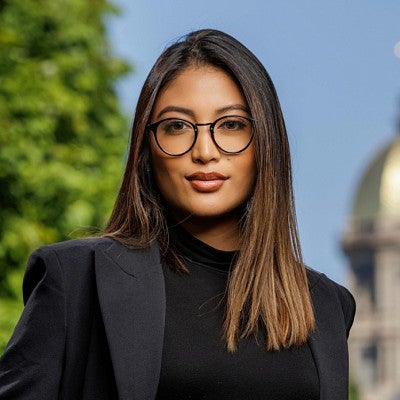
Name: Arienne Calingo
Email: acalingo@nd.edu
Affiliation: Notre Dame Law School
Bio:
Arienne Calingo serves as Notre Dame Law School's Marketing Communications Specialist and is responsible for helping to develop and execute a purposeful and clear communications strategy that reflects the Law School's key messages; engages and informs internal and external audiences; and increases awareness of the global impact of Notre Dame Law School. She has supported higher-education outreach and communications initiatives in the United States, the Philippines, Thailand, and the United Arab Emirates. Calingo previously served as the first woman EducationUSA Ambassador for the U.S. Embassy in Manila, working alongside former U.S. Ambassador Sung Kim and consular officers to offer advice to outbound Filipino students. In 2023, she was selected as a national delegate of the Filipino Young Leaders Program (FYLPRO). Her creative work in photography, mixed media, and poetry—often engaging themes of human dignity and social justice—has been exhibited at Harvard University, the South Bend Museum of Art, and the University of Notre Dame. Calingo earned her bachelor’s degree from Georgetown University and her master’s degree from the Harvard Graduate School of Education.
Abstract:
Branding the University: Marketing Communications as Academic Governance Across the globe, concerns about academic freedom typically focus on external threats—state interference, ideological regulation, or political polarization. Yet, universities increasingly experience a quieter internal pressure: the governance effects of institutional branding. As higher education operates within a competitive reputation economy shaped by rankings, donor expectations, and global recruitment markets, communications strategy has become central to institutional survival. This paper argues that marketing strategy functions as a soft regulatory structure inside higher education. University communications offices do more than disseminate information. Through decisions about visibility—what research is featured, which faculty become public voices, and how student success is narrated— they participate in structuring academic legitimacy. Drawing on a bounded institutional case study of a mid-sized U.S. private religious research university and its affiliated law school, the paper analyzes communication patterns across publicly available marketing collateral, including institutional websites, admissions materials, and social media messaging. The analysis identifies patterns in language emphasizing impact, leadership, employability, and service, and examines how different audiences—including students, professors, and alumni—correspond to different narrative constructions of academic value. The paper argues that contemporary challenges to higher education are not limited to overt political control. Instead, reputational incentives and institutional marketing communications operate as internal regulatory mechanisms. In the modern university, storytelling determines which knowledge becomes institutionally visible and which remains peripheral. Academic autonomy is thus negotiated not only through law and governance structures, but through the narrative economies of higher education.
Project Description:
In higher education, institutional storytelling shapes which knowledge becomes visible—what research is featured, which faculty become public voices, and how student success is narrated—and which remains peripheral. This presentation argues that marketing communications operate as internal regulatory mechanisms, with institutional branding helping to structure academic legitimacy. Academic autonomy is thus shaped not only by external pressures, but also by the narrative strategies universities use to define their own identity.

Name: Alex Colombo
Email: acolombo@uoregon.edu
Affiliation: University of Oregon
Bio:
Alex Colombo is a PhD candidate in the German & Scandinavian Department at the University of Oregon. Their research focuses on violence as a tactic in revolutionary struggle. Their dissertation involves case studies of two militant left organizations – the Red Army Faction and the Rote Zora – active in West Germany from the 1970s into the 1990s. Alex also specializes in Gender & Sexuality Studies.
Roundtable: Resisting Authoritarianism: Europe and the United States
Capitalism’s relentless push for economic productivity has compromised democratic processes, accelerating the exploitation of both natural resources and social systems. Amidst rising social corruption and warfare, this panel examines the emotional toll on students and citizens. We will explore historic German resistance movements following WWI and WWII, the conditions facing the Sámi (the only Aboriginal Peoples of Europe) whose colonization connects these broader struggles to indigenous rights and to local acts of defiance and solidarity in Eugene.
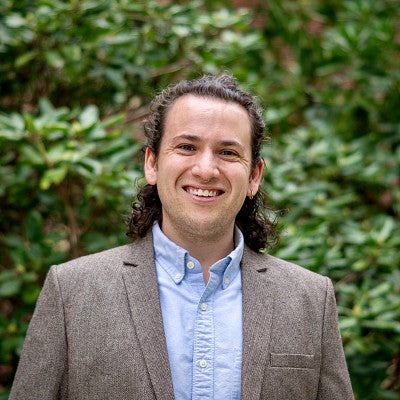
Name: Michael Andres Cook
Email: macook@uoregon.edu
Affiliation: University of Oregon
Bio:
Michael Andres Cook is a Master’s student in Global Studies at the University of Oregon, specializing in Global Education in Intercultural Exchange. A Coverdell Fellow and recipient of the Kimble First Year Teaching Award, his research explores queer identity negotiation within intercultural host family arrangements. He has collaborated with students, families, and community partners to design and implement experiential exchange programs focused on global service and youth leadership. Before graduate school, he spent six years managing the Youth Ambassadors Program, mentoring more than 500 high school students through intercultural exchanges. He also served in the Peace Corps in Madagascar, gaining insight into intercultural dynamics, community-driven solutions, and his own identity negotiation. A relational educator and mentor, he integrates creativity, innovation, and culturally responsive practice into his work. His current projects include documenting queer study abroad experiences at UO and co-creating a pilot study abroad program, LGBTQ+ Histories and Global Travel. He is committed to strengths-based learning, youth leadership, and advancing inclusive global education.
Abstract:
Recent research shows queer participants are more likely to participate in intercultural exchange programs, yet their inclusion is structured through frameworks of risk rather than possibility. While all people negotiate identity across cultures, these negotiations carry particular weight for queer individuals—especially those marginalized across race, gender, class, or ability—whose safety, belonging, and legibility shift across contexts. Cultural training and safety protocols often position queer identity as a risk to mitigate. Queerness becomes something to conceal or soften to preserve program stability and host family harmony. Diversity management operates less as liberation than containment, shaping how queer presence is made legible abroad. Drawing on interviews with 13 queer individuals, this paper examines how identity is negotiated in intercultural host family arrangements, revealing a pluralistic field of negotiation rather than a singular model of disclosure. Host families function through an affective economy where gratitude, belonging, and feeling “wanted” reward normative legibility. Participants balance sustaining harmony while also holding agency in contextually responsive ways of being shaped by culture, space, relation, and time. Silence, selective disclosure, and ‘tacitness’ become strategies of intercultural competence, self-protection, and relational navigation across uneven terrains of safety and care. Challenging frameworks that equate authenticity with visibility, this paper reframes queer negotiation abroad as a site of reflexive knowledge production—participants came to understand their identities, boundaries, desires, and fluidities more clearly. Attending to agency within constraint reveals both the limits of diversity management and the costs of conditional inclusion, arguing for relational, strengths-based program models that recognize queer participants as subjects actively theorizing safety, intimacy, and selfhood across cultures.
Project Description:
Intercultural education, like study abroad, often falls short when it claims to support queer safety and learning. Within these programs, homestays function as a form of affective economy that promises broadened horizons and global kinship; however, seemingly well-intentioned liability frameworks prioritize harmony by curating an “ideal guest” that privileges dominant norms. Nonetheless, queer students creatively negotiate identity, belonging, and immersion across cultural contexts with limited support, as unrecognized discoveries shape uneven access to success. This presentation invites higher education to recognize how queer students generate their own supportive learning conditions in the absence of inclusive frameworks, and how their ongoing negotiation of safety, identity, and discovery constitutes both labor and growth that institutional definitions of success often fail to see.

Name: Lisa DiGiovanni
Email: ldigiovanni@keene.edu
Affiliation: Keene State College
Bio:
Lisa DiGiovanni is Chair of Modern Languages and Professor of contemporary Spanish and Latin American literature and film at Keene State College, with a joint appointment in the Holocaust and Genocide Studies Department. Her research and teaching focus on the representation of war and dictatorial violence in 20th and 21st-century Spain and Latin America. She examines how literature and film make visible the traumas of state repression and militaristic culture. She is the author of Unsettling Nostalgia in Spain and Chile (Lexington Books, 2019) and Militarized Masculinity in Spain and Chile (University of Toronto Press, 2025).
Abstract:
Mapping Militarism, Fascism, and Gendered Indoctrination
Against the backdrop of curricula restrictions and state-led disinformation, we must confront the pervasive reach of militarism by employing new methods to track and visualize its encroachment into civilian life. On this panel, I will present an original expository video essay that interrogates the foundational role of militarism as the silent engine of fascist movements. By synthesizing documentary and narrative film footage with archival images from a personal collection, I examine the ideological systems (specifically education, media, and the military) that act as primary agents for the production of authoritarian values. Images and sound provoke thought on how these institutions collaborate to naturalize power hierarchies and the perceived necessity of state-sanctioned force. Central to this audiovisual analysis is the deeply gendered nature of militaristic indoctrination. I trace how the social construction of “manhood” is weaponized from childhood, linking personal worth to dominance and the mandate of “protection” through violence. This militarized masculinity creates a psychological infrastructure that allows the state to designate and eliminate so-called enemies, illustrating the direct, inseparable line between cultural militarism and the mechanics of systemic repression. In dialogue with the panel’s broader themes, this video essay responds to the “fraying boundaries” of fascism noted by fellow presenters, offering a contemporary lens through which to view historical patterns. Designed as a discussion starter for scholars and students across History, Film, Modern Languages, and Genocide Studies, the presentation concludes that the modern university’s autonomy is not merely under pressure from external politics; it is actively being transformed by a global trend of militarism. Ultimately, the work argues that this ideological encroachment remains the primary threat to the survival of a sustainable, peaceful democracy.
Project Description:
Rather than a traditional paper, I will present an original videographic essay that interrogates militarism as the foundational engine of fascist movements. By analyzing the weaponization of militarized masculinity, the work traces how gendered indoctrination naturalizes authoritarian values and builds the psychological infrastructure necessary for systemic repression. This analysis connects historical patterns from Spain, Chile, and the United States to contemporary threats, arguing that such ideological encroachment endangers both academic autonomy and global democracy.
Name: Michael Dreiling
Email: dreiling@uoregon.edu
Affiliation: University of Oregon
Bio:
Michael C. Dreiling is a Professor of Sociology at the University of Oregon, specializing in political and environmental sociology. His most recent book (Global Trade Shocks, 2026) offers a timely and incisive analysis of the collapse of neoliberalism and the rise of authoritarian populism, with a focus on the weaponization of trade politics under Trump. Professor Dreiling also produced and directed several documentary films, including the award-winning A Bold Peace. Awarded for distinguished university teaching, distinguished service, and numerous leadership awards, Professor Dreiling has served in various advocacy roles for higher education, including as co-editor for the AAUP’s Journal of Academic Freedom.
Roundtable: A Public Good: Higher Education and Autonomy in Oregon
“A Public Good: Higher Education and Autonomy in Oregon” convenes state and university leaders—including the chair of the Higher Education Coordinating Commission, the president of the UO Senate, the president of United Academics, and the two former co‑editors of the AAUP Journal of Academic Freedom—to examine the evolving relationship between the state and its public universities. The roundtable will probe how tax exemptions, philanthropic giving, and public oversight shape institutional autonomy and the long‑term sustainability of Oregon’s higher‑education system. Speakers will also discuss the centrality of global education, internationalization, and a diversified educational ecosystem in strengthening Oregon’s public mission.
Name: Michel Estefan
Email: mestefan@ucsd.edu
Affiliation: University of California, San Diego
Bio:
Michel Estefan is an Associate Professor of Teaching and Director of Undergraduate Studies in the sociology department at the University of California, San Diego. His teaching and writing combine philosophical humanism, sociological theory, and the scholarship of teaching and learning to produce systematic frameworks for critically understanding and addressing some of the most daunting challenges facing instructors and students in today’s higher education landscape. His published work has appeared in Teaching Sociology, Sociological Focus, TRAILS: Teaching Resources and Innovations Library for Sociology, First Publics, Inside Higher Ed, and Teaching/Learning Matters, and has been featured multiple times in The Chronicle of Higher Education. He has trained close to 2,000 graduate students, faculty, lecturers and postdocs across the University of California and California State University systems on various aspects of teaching and pedagogy. His teaching and mentoring have been recognized with awards from the University of California, San Diego, the University of California, Berkeley, SAGE publishing, and the Teaching and Learning Section of the American Sociological Association.
Abstract:
The current assault on American universities is often narrated either as an external attack by illiberal forces or as another front in the nation’s deepening political polarization. In this paper, I argue that neither account is sufficient. To fully understand the crisis, we must examine it from the inside out by attending to a foundational but often neglected site of institutional life: classroom pedagogy. I develop a conceptual map of two durable paradigms on teaching and learning that have coexisted uneasily within American universities since the mid-twentieth century. The first conceives teaching as the efficient transmission of disciplinary knowledge and cognitive skill development in service of professional formation and civic participation. The second understands teaching as a form of critique and emancipation oriented toward democratic transformation. Using this framework, I reconstruct the history of American classroom pedagogy in higher education as two recurring cycles of paradigmatic rise, institutionalization, and backlash. This lens helps explain the contradictory character of the university and its vulnerability in the current political moment: why institutions cultivate social movements that strain their own legitimacy; why faculty political orientations often differ from student activism; and why universities have become symbolic battlegrounds in broader struggles between the left and the right over the past, the present, and the future of this country. Though focused on the American university, my argument bears on the global future of higher education. Through academic mobility, institutional models, and transnational policy networks, these paradigms have circulated widely. As higher education systems confront intensifying authoritarian pressures, the tension between professional formation and democratic critique illuminates fault lines shaping contemporary struggles over autonomy and legitimacy in other latitudes as well.
Project Description:
Viewed from the standpoint of classroom pedagogy, American colleges and universities are bizarre institutions that harbor radically incompatible paradigms about teaching and learning. I leverage this standpoint to shed light on a series of questions at the heart of contemporary controversies in higher education: why today's pedagogical conflicts echo longstanding structural fault lines, why universities so reliably incubate social movements that strain their own legitimacy, and why universities are structurally predisposed to become battlegrounds in broader struggles over knowledge, democracy, and social transformation.
Name: Sebastiaan Faber
Email: sfaber@oberlin.edu
Affiliation: Oberlin College
Bio:
Sebastiaan Faber is Professor of Hispanic Studies at Oberlin College. He is the author of Exile and Cultural Hegemony: Spanish Intellectuals in Mexico, 1939-1975 (Vanderbilt, 2002), Anglo-American Hispanists and the Spanish Civil War: Hispanophilia, Commitment, and Discipline (Palgrave, 2008), Memory Battles of the Spanish Civil War: History, Fiction, Photography (Vanderbilt, 2018), Exhuming Franco: Spain’s Second Transition (Vanderbilt, 2021; 2nd, revised ed. 2023), translated as Franco desenterrado. La segunda Transición española (Pasado & Presente, 2022), and Leyendas negras, marcas blancas. La malsana obsesión con la imagen de España en el mundo (Contexto, 2022). He is also co-editor of Contra el olvido. El exilio español en Estados Unidos (U de Alcalá, 2009) and Transatlantic Studies: Latin America, Iberia, and Africa (Liverpool, 2019). From 2010 until 2015 and from 2018 until 2024, he served as the (co-)Chair of the Board of Governors of the Abraham Lincoln Brigade Archives (ALBA), whose quarterly magazine, The Volunteer, he co-edits. Faber regularly writes about US, Spanish, and Dutch politics and higher ed for CTXT, La Marea, Jacobin, and The Nation.
Abstract:
How National Academic Cultures Can Weather Global Threats
Although academic production in most fields of inquiry has long been globalized and the threats to academic freedom and autonomy are rising across the world, too, institutional cultures and practices—including the ways universities and their faculties relate to civil society—are still primarily shaped by national conditions and histories. As we acknowledge the global threats to academic freedom and autonomy, and as we attempt to formulate effective responses to those threats, we cannot afford to lose sight of this fundamental tension between the global and the national—the diversity, from one nation to the next, not only of academic practices, experiences, and viewpoints but of norms and values, traditions, and legal frameworks, including constitutional rights and protections. While this diversity can be seen as a weakness, an obstacle to the formation of transnational defensive fronts, in this paper I will consider specific examples from Europe and the Americas to argue that it makes more sense to see diversity as a strength. A deeper understanding of the ways in which the struggle for academic freedom and autonomy has its own characteristics and challenges in each national space will allow for transnational learning and, ultimately, to more effective tactics and strategies.
Project Description:
How National Academic Cultures Can Weather Global Threats | As we acknowledge the global threats to academic freedom and autonomy we cannot afford to lose sight of the diversity, from one nation to the next, not only of academic practices, experiences, and viewpoints, but of norms and values, traditions, and legal frameworks, including constitutional rights and protections. While this diversity can be seen as a weakness I will consider specific examples from Europe and the Americas to argue that it makes more sense to it as a strength.
Name: Lien Fan Shen
Email: lienfan.shen@utah.edu
Affiliation: College of Fine Arts, University of Utah
Bio:
Shen is the Associate Dean for Faculty and Academic Affairs in the College of Fine Arts and a Professor in the Department of Film and Media Arts at the University of Utah. Her creative work includes graphic novels, animation, and digital arts. Her animation Seeing Through the Eyes of Crocodiles (2019) was screened at multiple film festivals. Her graphic novel I will be Your Paradise was reserialized in 2020. The sequel, The 21st Century Girls and Their Romance, was published on Creative Comic Collection in 2022. Her recent work, Sand Sage is currently being serialized in People, Fish, Poetry, and Life, a magazine in Taiwan. Her scholarly publications include: “Gender and Sexuality in Taiwan Schools” in Oxford Encyclopedia of Gender and Sexuality in Education, “Taiwan Bar, a YouTube animation series about Taiwan’s histories,” in Animation Studies 2.0, and “Traversing otaku fantasy: Representation of the otaku subject, gaze, and fantasy in Otaku no Video,” in Debating Otaku in Contemporary Japan and “The dark, twisted magical girls: Shōjo heroines in Puella Magi Madoka Magica” in Heroines of Film and Television: Portrayals in Popular Culture.
Abstract:
The “student success” trap: Examining the Utah case of devaluation of arts in higher education. I examine the “student success” trap within higher education by analyzing the flagship public university in the State of Utah as a case study. Recently, legislative rhetoric and administrative practices have increasingly justified the devaluation of the arts by framing higher education through the metrics of “student success.” While seemingly neutral and outcome-oriented, this narrative functions not merely as administrative rhetoric but as an ideological formation that reshapes knowledge, creativity, and the public good. Disciplines in the arts are measured by economic indicators such as benchmarking college graduates’ salaries against the median earnings of high school graduates, calculating return on investment, and prioritizing programs that demonstrate immediate workforce alignment. Teaching and learning are increasingly structured according to business models that emphasize scalability, cost reduction, and performance metrics. In this climate, arts disciplines are positioned as economically marginal and have been devalued when measured against narrowly defined financial outcomes. I trace how “student success” is operationalized at the local levels through business strategies focused on operational excellence, productivity, and efficiency. Through an analysis of legislative discourse, institutional benchmarking practices, and administrative restructuring, I argue that the student success trap is not a neutral measure of educational quality but an ideological instrument that renders invisible the most essential contributions of arts education to civic, intellectual, and human life. The paper concludes by sketching what it might mean to resist the student success trap—not by abandoning accountability, but by insisting that the core of education does cannot and should not be reduced to numbers.
Project Description:
Is "student success" an ideological trap? Using a flagship public university as a case study, this presentation analyzes how economic metrics like return on investment and salary benchmarking devalue the arts and reshape the purpose of higher education. This presentation argues that this "student success" framework operates as an ideological tool that prioritizes business-centric models and marginalizes arts and other fields, overlooking the broader intellectual, creative, and civic contributions of arts education. Ultimately, the presentation explores how to resist this devaluation by advocating for an educational core that cannot be reduced to a spreadsheet.
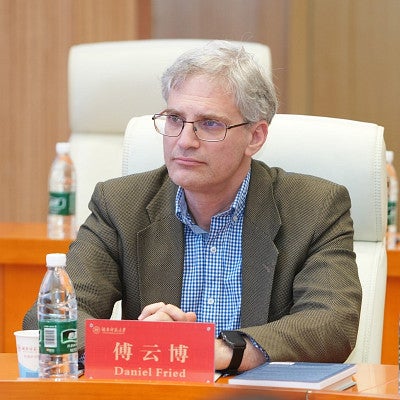
Name: Daniel Fried
Email: dfried@ualberta.ca
Affiliation: University of Alberta
Bio:
I specialize in comparative approaches to classical Chinese literature and intellectual history, addressing topics of how reading and writing practices are conceived and contextualized in ancient and medieval China, and how these compare to European modes of textuality. In my most recent book, The First Print Era, I examine the way in which print culture first took hold in the Northern Song Dynasty, and how certain ways of cultural production and consumption were changed by the widespread adoption of print over the course of the 11th century. My previous book, Dao and Sign in History, these interests take the form of an investigation of Daoist semiotics: the first part of the work discusses this tradition in comparison with Continental philosophy of the relation of language to ethics, and the second examines the historical uses of Daoist semiotic thought in Six Dynasties China. Currently, I am working on a work of literary non-fiction relating Daoist philosophy to social activism. I also do have subsidiary research interests in modern Chinese literature, as well as in European literatures, and often teach these topics, as well as courses in literary theory, at the undergraduate level. However, I only accept new graduate students who are planning to work on topics in Chinese literature or philosophy from the Warring States period through the Southern Song dynasty.
Abstract:
Self-Censorship as Resistance: Strategic Secrecy Under Fascist Regimes
As nations like the United States de-democratize, scholars researching and teaching under collaborationist university administrations need to retrain ourselves for the new context. There are techniques that intellectuals working under authoritarian governments have always used effectively, and it is time that we reintroduce these as mainstream techniques in backsliding democracies. Self-censorship, an object of disgust among Western academics, is also badly misunderstood. Self- censorship is not equal to capitulation: there are almost always ways to resist while complying with the technical requirements of any censorship regime. In this, scholars working in the humanities are already well-equipped to reimagine intellectual politics, as we already have deep experience with the theory and history of signifying practices. The ancient rhetorical modes that do not say what they mean, allegory and irony, have been used around the world for millennia to speak truth under authoritarian threat, and these can be redeployed alongside newer technologically-mediated allusive practices to speak the truth while pretending to repeat lies. Based in the author’s recent work on Daoist styles of non-conflictual activism, this talk will distinguish capitulationist from resistance versions of self-censorship, and argue for normalizing best-practice techniques used to research and teach outside of democracies. Specific methods to be discussed will include: allegory, irony, code-switching, false personas and sock-puppetry, guest lectures, samizdat syllabi, visible self-silencing, and purpose-built AI truthtellers. Rather than offering any particular silver-bullet approach to facing down censorship, the goal of the paper is to encourage creativity over conflict. Censorship regimes are excellent at shutting down direct opposition, but they are also sclerotic and stupid, and easily evaded by moderately nimble strategic responses
Project Description:
Based in the author’s recent work on Daoist styles of non-conflictual activism, this talk will distinguish capitulationist from resistance versions of self-censorship, and argue for normalizing best-practice techniques used to research and teach outside of democracies. Rather than offering any particular silver- bullet approach to facing down censorship, the goal of the paper is to encourage creativity over conflict. Censorship regimes are excellent at shutting down direct opposition, but they are also sclerotic and stupid, and easily evaded by moderately nimble strategic responses.
Name: Robert Hamilton
Email: rchristo10@hotmail.com
Affiliation: Hankuk University of Foreign Studies
Bio:
Robert Hamilton is a professor at Hankuk University of Foreign Studies (HUFS) in South Korea. He earned his PhD in Sociology from Seoul National University, with training in social theory, race, migration, and institutional analysis. A Black American who has lived in Korea for nearly three decades, his work is shaped by long-term engagement with Korean academic, social, and bureaucratic life, alongside comparative and transnational perspectives. At HUFS, he teaches Korean-to-English translation, integrating questions of gender, sexuality, and Korean society into language and translation pedagogy. He has also taught graduate courses on sexuality at Korea University.
Abstract:
South Korea and the Administration of Belonging Universities rarely discipline scholars in ways that look dramatic. In South Korea, in particular, constraint more often arrives through routine administrative processes that present themselves as neutral evaluation. These processes manage risk, shape behavior, and quietly determine who remains legible—and employable—within the institution. This paper examines how academic autonomy narrows through ordinary paperwork. The analysis draws on anonymized internal evaluation documents and interview material collected under institutional ethical review, treating routine administrative records as evidence of governance in action rather than neutral background. Read closely, these materials show how familiar procedures—performance reviews, contract renewals, research metrics, and compliance checks—shift from assessing past performance to organizing future conduct. Evaluation becomes anticipatory, ambiguity replaces explicit sanction, and employment precarity ensures that even small administrative signals carry lasting weight. Across this same set of documents, the paper traces how evaluative language resonates with conservative governance styles that gained prominence in US higher education during and after the Trump era, particularly emphases on loyalty, productivity signaling, and institutional risk management. In South Korea, where higher education has long operated without a sustained liberal tradition despite formal party competition, these styles do not arrive as foreign imports but settle easily into existing administrative conservatism. The racial consequences of this convergence appear in how evaluation and mobility regimes are applied to darker-skinned foreign faculty. Interview material and document patterns point to heightened scrutiny as earlier commitments to multiculturalism lose administrative force. Autonomy remains formally intact, yet the conditions under which certain scholars can belong, advance, or sp
Project Description:
This presentation examines how academic belonging in South Korea is shaped through routine administrative processes rather than overt disciplinary action. Drawing on internal evaluation documents and interviews, it shows how performance reviews, contract renewals, and compliance systems quietly structure who remains legible and employable within universities. The talk reframes academic autonomy as something managed through everyday governance rather than formal restriction.
Name: Martha Kenney
Email: mkenney@sfsu.edu
Affiliation: Women and Gender Studies, San Francisco State University
Bio:
Martha Kenney is a Professor in Women and Gender Studies at San Francisco State University and co-founder of the SFSU Science, Technology, and Society Hub. Located in the tradition of feminist science studies, her research examines how technoscientific narratives support, contest, and reconfigure collective visions of desirable futures. She teaches classes on the politics of science, feminist theory, digital media, and speculative fiction.
Abstract:
"Let Them Eat Large Language Models: Artificial Intelligence and Austerity in the Neoliberal University In February 2025, the California State University (CSU) system announced a $17 million contract with OpenAI to provide ChatGPT Edu to all faculty, staff, and students on its 23 campuses—the largest contract any university or university system has made with OpenAI to date. Drawing on our perspectives as science and technology studies scholar and faculty members in the CSU, we analyze the rhetoric that justifies and legitimizes the increasing number of generative AI contracts in higher education. We argue that the uncritical adoption of general-purpose AI chatbots on university campuses poses problems for labor conditions, introduces new forms of bias and discrimination, and erodes the quality of teaching and learning. By sharing situated insights from the CSU system, we aim to spark global conversations on how to protect the mission and values of our institutions from the marketing hype of Big Tech."
Project Description:
Let Them Eat Large Language Models: Artificial Intelligence and Austerity in the Neoliberal University In February 2025, the California State University (CSU) system announced a $17 million contract with OpenAI to provide ChatGPT Edu to all faculty, staff, and students on its 23 campuses—the largest contract any university or university system has made with OpenAI to date. Drawing on our perspective as STS scholars and faculty members in the CSU, we analyze the rhetoric that justifies and legitimizes the increasing number of generative AI contracts in higher education.
Name: Aras Koksal
Email: koksa002@umn.edu
Affiliation: University of Minnesota
Bio:
Aras Koksal is a PhD candidate in sociology at the University of Minnesota. His dissertation examines the politics of higher education and meritocracy in contemporary Turkey using ethnographic and historical methods.
Abstract:
Populism, Higher Education, and the Remaking of Merit in Turkey
When authoritarian populist governments target universities, they do more than curtail institutional autonomy, they contest the very definitions of merit that elite institutions embody. This paper develops the concept of "populist meritocracy" to analyze how Turkey's Justice and Development Party (AKP) has systematically challenged existing definitions of academic excellence by advancing an alternative framework rooted in cultural authenticity, Islamic piety, and national mission. I argue that populist meritocracy is not merely an expansion of access but a deliberate restructuring of what counts as legitimate knowledge and who counts as a deserving subject. Drawing on archival analysis of educational policy documents, presidential speeches, and curricular materials, I situate populist meritocracy within a historical typology of three "meritocracy regimes" in modern Turkey. Republican meritocracy, forged during the early republic, tied individual mobility to state-building and technocratic service. Cosmopolitan meritocracy, ascendant during neoliberal restructuring, redefined merit through market logics, English-medium instruction, and global competitiveness. Populist meritocracy, emerging under the AKP, challenges both predecessors by quadrupling the number of universities, lifting the headscarf ban that had excluded pious women, empowering religious vocational schools, and framing elite institutions as culturally alien to national values. These policies do not merely redistribute educational opportunity; they install alternative criteria for evaluating knowledge, expertise, and intellectual worth. This paper contributes to conversations about university autonomy under authoritarian pressure by demonstrating that threats to free inquiry extend beyond direct repression to encompass the political reconstruction of merit itself.
Project Description:
This presentation develops the concept of 'populist meritocracy' to analyze how Turkey's ruling party has used higher education expansion to challenge elite definitions of academic excellence and install alternative criteria for evaluating knowledge and expertise. Drawing on a historical typology of three meritocracy regimes in modern Turkey, it argues that threats to university autonomy extend beyond direct repression to encompass the political reconstruction of merit itself.
Name: Haley Lepp
Email: hlepp@stanford.edu
Affiliation: Stanford University
Bio:
Haley is a PhD candidate at Stanford University studying the Sociology of Education, examining how new technologies shift the role of the university, and how people define and engage with knowledge and expertise. Her mixed-methods research draws on sociology of knowledge, critical media studies, science and technology studies, and computational linguistics. Previously, she worked as an engineer and built digital education programs for students in Jordan, Iraq, and the U.S.
Abstract:
There are many claims made today about AI, and it is difficult to determine which are true. Even among elite academic computer scientists, evaluating claims is near impossible. If one picks an AI research publication at random, many of its citations will lead to arXiv, a repository for preprints, rather than a peer reviewed publication. Over ten thousand manuscripts are uploaded to arXiv monthly, and with vast disparities in quality (Monthly, 2026; Jones, 2026; Heiss and Freiling, 2026). If not through traditional peer review, how do scientists determine what, or who, to trust? Through 11 months of ethnographic observations of some of the most influential academic computer scientists in the world, I find they almost exclusively determine expertise through the social media platform X. When they cite research from other groups, they do so based on work they see on X or work that is sent to them by friends via X links; they anticipate others doing the same for their work. The evaluation regime that emerges thus one that centers around the optimization of virality and fame. Faced with the high costs of search, scientists rely on individually adjudicated proxy metrics, such as aesthetic branding and stardom, to determine who to trust. 44 interviews with scientists suggest that culturally, this regime attempts to emulate industry marketing to intervene in a slow, ineffective ivory tower. Scientists describe how X can better reach and represent “the public." Topics considered niche, such as improving AI for non-Western users, may be disfavored due to not being representative of the public on X. Institutions such as anonymous peer review or the law come to be disregarded as anti-democratic. The counter-intuitive consequence of this virality-based evaluation regime designed for broad participation is that only a small number of people can become famous, and thus powerful, in this political economy of knowledge. I theorize this practice as a populist science.
Project Description:
As traditional information-producing organizations, such as universities, news media, and government research labs, face unprecedented financial and political threats, how do knowledge professionals determine who and what to trust? This study examines the strategic case of a group of elite academic AI researchers adapting to a peer review ecosystem under extreme strain. Drawing on more than 12 months of (ongoing) ethnographic observations, more than 50 interviews, Slack messages, emails, research documents, and other artifacts, I explore how the researchers establish what counts as knowledge from other scientists, and ensure that other scientists in turn consider their work to be valid knowledge.
Name: Martha Lincoln
Email: mlincoln@sfsu.edu
Affiliation: Associate Professor, Anthropology, San Francisco State University
Bio:
Martha Lincoln is Associate Professor of Anthropology at San Francisco State University and a co-lead of the Bay Area chapter of Scholars Strategy Network. Her research in medical and cultural anthropology addresses the cultural politics of public health, biopolitics, and the effects of political economic change on health systems and health outcomes. She also frequently writes opinion essays and commentary for public audiences.
Abstract:
"Let Them Eat Large Language Models: Artificial Intelligence and Austerity in the Neoliberal University
In February 2025, the California State University (CSU) system announced a $17 million contract with OpenAI to provide ChatGPT Edu to all faculty, staff, and students on its 23 campuses—the largest contract any university or university system has made with OpenAI to date. Drawing on our perspectives as science and technology studies scholar and faculty members in the CSU, we analyze the rhetoric that justifies and legitimizes the increasing number of generative AI contracts in higher education. We argue that the uncritical adoption of general-purpose AI chatbots on university campuses poses problems for labor conditions, introduces new forms of bias and discrimination, and erodes the quality of teaching and learning. By sharing situated insights from the CSU system, we aim to spark global conversations on how to protect the mission and values of our institutions from the marketing hype of Big Tech."
Project Description:
Let Them Eat Large Language Models: Artificial Intelligence and Austerity in the Neoliberal University In February 2025, the California State University (CSU) system announced a $17 million contract with OpenAI to provide ChatGPT Edu to all faculty, staff, and students on its 23 campuses—the largest contract any university or university system has made with OpenAI to date. Drawing on our perspective as STS scholars and faculty members in the CSU, we analyze the rhetoric that justifies and legitimizes the increasing number of generative AI contracts in higher education.
Name: Angelica Martinez Ochoa
Email: amm180028@utdallas.edu
Affiliation: University of Texas at Dallas
Bio:
Angelica Martinez is a scholar of Visual Culture and Digital Humanities whose work examines the intersections of technocapitalism and labor. She earned her PhD from The University of Texas at Dallas in 2024, receiving the Best Dissertation Award for her research on platform capitalism. Martinez currently serves as the Speaker Series Coordinator for the LaborTech Research Network. Her pedagogical research focuses on the Visual Prompt Studio, an initiative fostering linguistic equity and critical AI literacy in the global classroom. She is currently developing an experimental panel for the 2026 EASST Conference featuring an AI agent of her own design.
Abstract:
In the globalized landscape of higher education, the "AI push" is often framed as an inevitable transition that faculty must either embrace or resist. In this paper, I argue for a third path: navigating an "autonomy of dependency" within an institutional reality where AI is no longer optional. In my Art Appreciation courses, where international students comprise 30% to 55% of the population, the English language barrier often drives students toward generative tools to meet academic standards. I contend that this dependency is not merely an external trend but is materially facilitated by the institution itself through provided licenses for tools like Microsoft Copilot and university-led workshops on AI integration. The Visual Prompt Studio is my direct response to this material reality. I developed this pedagogical intervention as an acknowledgment that traditional learning objectives, such as formal visual analysis, are no longer "AI-proof." My work is further complicated by administrative policies that caution faculty against penalizing AI usage due to the unreliability of detection software. Because defining and quantifying AI-generated content remains an elusive task, I argue that the burden of "policing" creates an unsustainable and often inequitable labor model for faculty. Using the Visual Prompt Studio as a practical case study, I explore how I fulfill course principles by treating the AI interface as a "specimen in a laboratory" rather than a mere utility. By requiring students to use formal art language to guide generative processes, I ensure that those with varying English proficiency can demonstrate conceptual mastery. The "so what?" of my intervention lies in shifting from using AI as a tool for learning to a tool through which we learn. My approach offers a reproducible model for maintaining scholarly standards and linguistic equity while navigating the rigid frameworks of contemporary institutional governance.
Project Description:
This presentation introduces the Visual Prompt Studio, a pedagogical case study that moves beyond the binary of resisting or embracing AI by treating generative interfaces as "specimens in a laboratory." By requiring students to navigate institutional AI infrastructures through the lens of formal art language, this model fosters linguistic equity for international students and reclaims pedagogical autonomy within the material constraints of the modern global classroom.
Name: Dyana Mason
Email: dmason@uoregon.edu
Affiliation: University of Oregon
Roundtable: A Public Good: Higher Education and Autonomy in Oregon
“A Public Good: Higher Education and Autonomy in Oregon” convenes state and university leaders—including the chair of the Higher Education Coordinating Commission, the president of the UO Senate, the president of United Academics, and the two former co‑editors of the AAUP Journal of Academic Freedom—to examine the evolving relationship between the state and its public universities. The roundtable will probe how tax exemptions, philanthropic giving, and public oversight shape institutional autonomy and the long‑term sustainability of Oregon’s higher‑education system. Speakers will also discuss the centrality of global education, internationalization, and a diversified educational ecosystem in strengthening Oregon’s public mission.
Name: Ian F. McNeely
Email: ifm@unc.edu
Affiliation: University of North Carolina at Chapel Hill
Bio:
Ian F. McNeely is Professor of History and Senior Associate Dean for Undergraduate Education in the College of Arts and Sciences at the University of North Carolina at Chapel Hill. He is the author of four books, most recently The University Unfettered: Public Higher Education in an Age of Disruption (Columbia University Press, 2025). A former faculty member at the University of Oregon from 2000-24, he served as the founding executive director of what is now the Schnitzer School of Global Studies and Languages in 2021-22.
Abstract:
Sustaining the Study of the World in the Age of America First: Lessons from Two Flagships
This paper analyzes the threats and opportunities surrounding the study of the world beyond the Anglophone United States at major American research universities. It focuses on the very recent past and compares two public flagship institutions, the University of Oregon (UO) and the University of North Carolina at Chapel Hill (UNC). Using two case studies, the paper contrasts the decision to launch the Schnitzer School at UO in 2020-22 with the decision to close UNC’s six Title VI area studies centers in late 2025. It will ask what role, if any, a conservative “America First” agenda played in the latter decision and, if it did, how this agenda interacts with intra-administrative politics at the college, campus, board, system, and legislative levels. Analytically, the paper will apply conclusions from the author’s recently published The University Unfettered, which presents a larger theory about the resilience of public research universities, including under conditions of severe political and financial constraint. The paper’s concluding section will propose structural reforms that research universities can consider in order to preserve academic freedom and promote global studies and languages for as long as the current period of authoritarian crackdown may last in the United States. Recognizing that neither of the two institutional models inherited from the twentieth century—the language and literature department and the area studies center—are sufficiently vibrant in strictly intellectual terms, let alone resilient enough to withstand external attacks, it will draw upon the scholarly literature on area and global studies, as well as institutional models from Europe, to suggest, if not a full-blown alternative, then at least a series of administrative strategies and tactics that can preserve and promote our understanding of the wider world.
Project Description:
This paper analyzes the threats and opportunities surrounding the study of the world beyond the Anglophone United States at major American research universities. Using two recent case studies of institutional reform at public flagships, it will propose administrative strategies and tactics that can preserve and promote our understanding of the wider world during a period of authoritarian crackdown on academic freedom in the United States.
Name: Kate Celis Mills
Email: klmills@uoregon.edu
Affiliation: University of Oregon
Bio:
Kate Celis Mills is an Associate Professor of Psychology at University of Oregon. Her research focuses on environmental psychology, particularly on how children and adolescents are navigating climate change. She currently serves as President of United Academics of the University of Oregon—a union representing over 1,700 faculty, librarians, post-docs, and research assistants.
Roundtable: A Public Good: Higher Education and Autonomy in Oregon
“A Public Good: Higher Education and Autonomy in Oregon” convenes state and university leaders—including the chair of the Higher Education Coordinating Commission, the president of the UO Senate, the president of United Academics, and the two former co‑editors of the AAUP Journal of Academic Freedom—to examine the evolving relationship between the state and its public universities. The roundtable will probe how tax exemptions, philanthropic giving, and public oversight shape institutional autonomy and the long‑term sustainability of Oregon’s higher‑education system. Speakers will also discuss the centrality of global education, internationalization, and a diversified educational ecosystem in strengthening Oregon’s public mission.
Name: Johannes von Moltke
Email: moltke@umich.edu
Affiliation: University of Michigan
Bio:
Johannes von Moltke is the Rudolf Arnheim Collegiate Professor for German Studies and Film, TV & Media at the University of Michigan, where he currently directs the International Institute. The author of No Place Like Home: Locations of Heimat in German Cinema (University of California Press, 2005) and The Curious Humanist: Siegfried Kracauer in America (University of California Press, 2015), von Moltke has published broadly on German film history and theory, Critical Theory, and 20th- and 21st-century Cultural Studies. For the University of Wisconsin Press, he is currently revising his 2025 Mosse Lectures into a monograph on “metapolitics,” the New Right’s strategies for the cultural capture of political power.
Abstract:
How Fascinating is Fascism? Teaching Nazi Cinema in Trump’s America
Fascism, and Nazi Germany in particular, long seemed clearly bounded, easily sliced out of the continuum of history by virtue of its clear-cut beginning and end dates: Hitler seizes power on January 30, 1933; Germany surrenders to the Allied High Command on May 8, 1945. The Thousand-Year Reich neatly contained in a twelve-year devolution from dictatorship to defeat. By the same token, a class on Nazi Cinema, say, carries the promise of delving into a clearly bounded period in film history. Until it doesn’t. Over a decade of teaching a recurring lecture course on the films, film politics, and visual propaganda of the fascist era in Germany, Spain, Italy, and Japan at the University of Michigan, we have seen the historical boundaries around the class’s organizing conceptual category—fascism—fray, leading to new pedagogical and conceptual challenges. In my presentation, I reflect on this decade-long teaching experience against the unfolding backdrop of contemporary U.S. politics and the global rise of authoritarian populism. Drawing on my ongoing research on the so-called “metapolitics” of the New Right, I make a case for cultural approaches to the history of fascism and for balancing careful historicization with responsible presentism in conveying this material to today’s generation of students.
Project Description:
How Fascinating is Fascism? Teaching Nazi Cinema in Trump’s America Drawing on the shifting experience of teaching an undergraduate course on fascist cinemas over the past decade, as well as my own ongoing research on the so-called “metapolitics” of the New Right, I make a case for cultural approaches to the history of fascism and for balancing careful historicization with responsible presentism in conveying this material to today’s generation of students.
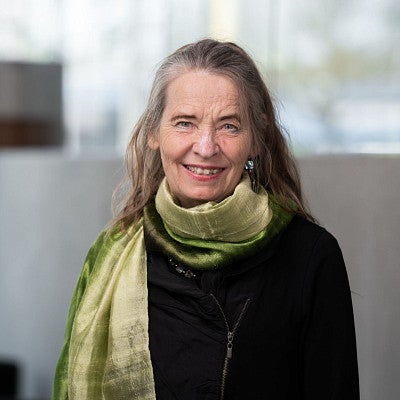
Name: Dorothee Ostmeier
Email: ostmeier@uoregon.edu
Affiliation: University of Oregon
Bio:
Dorothee Ostmeier, Prof. of German, Folklore/Public Culture, Affiliate Faculty Comparative Literature, Women and Gender Studies, University of Oregon. Her monographs, editions and essays address Holocaust Drama/Philosophy, Gender Politics in 20th Century, Ethics and Aesthetics in Brecht, Goethe, and Romantic texts. Her current book project focuses on “Fantasy Portals and Screens in German Romanticism and Digital Posthumanity.”
Books: Sprache des Dramas - Drama der Sprache: Nelly Sachs' Poetik. Tübingen: Niemeyer 1997. Poetische Dialoge zu Liebe, Gender und Sex im frühen zwanzigsten Jahrhundert. Bielefeld: Aisthesis 2014.
Editions: --Poetic Materialities: Semiotics of Ruhe in Goethe’s “Wanderer’s Nachtlied” and “Ein Gleiches.” Invited. Multimedia collaboration with Stephen Rodgers. COLLATERAL – Online Journal for Cross-Cultural Close Reading. Fall 2017. --“Brecht, Marxism, Ethics” Collection of Essays. Guest Editor together with Friedeman Weidauer. The Brecht Yearbook 35 (2010).
Under Review: “Humanities Under Fire: Reorienting Usefulness” co-edited, with Jeffrey Librett, UO, Marcel Schmidt, University of Virginia, Laura Gray-Rosendale, Northern Arizona University, Manuel Clemens, Instructor Highschool Bern, Switzerland. (submitted to Palgrave in Fall 2025, received positive outside reviews in January 2026. Minor Revisions are in progress.)
Roundtable: Resisting Authoritarianism: Europe and the United States
Capitalism’s relentless push for economic productivity has compromised democratic processes, accelerating the exploitation of both natural resources and social systems. Amidst rising social corruption and warfare, this panel examines the emotional toll on students and citizens. We will explore historic German resistance movements following WWI and WWII, the conditions facing the Sámi (the only Aboriginal Peoples of Europe) whose colonization connects these broader struggles to indigenous rights and to local acts of defiance and solidarity in Eugene.
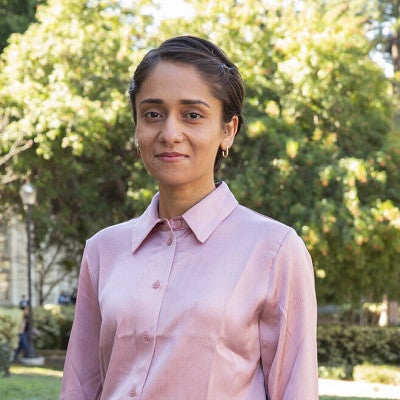
Name: Noopur Raval
Email: nraval@g.ucla.edu
Affiliation: UCLA
Bio:
Noopur Raval is an assistant professor in information studies at University of California Los Angeles. Her past work has looked at gig economy platforms in urban India and their promises and impact on the social and economic lives of consumers and workers across class, gender and caste groups. Her ongoing work addresses the impact of AI tools on creative work and academic practice with specific professional and institutional contexts.
Abstract:
Performing skill after Generative AI
This paper and presentation will present insights from almost two years of pedagogical and service experiences in US higher education where I have encountered, integrated, negotiated with and challenged the deployment of AI tools and services within higher education. My presentation will surface the often contradictory messaging around AI safety, harms, and risks delivered by higher education institutions in the context of literacies and employability in response to the onslaught of generative AI tools. I reflect on the gimmicky function of GenAI technology (via Ngai) to turn our collective attention to the imaginaries and expectations informing administrative and service labor and value production within academia and how a purportedly efficient and labor-saving technology is upending performances of effort, ethicality and skill within universities. I find this moment interesting in the longer history of domestic and productivity technologies that have often projected to render groups of paid and unpaid workers obsolete but in the process have often redefined reproductive and care labor within and outside of the home.
Project Description:
This presentation examines the discourses of labor and virtuosity surrounding the deployment of LLM technologies in the university context. I examine how tools like ChatGPT and Claude are being introduced as labor-saving technologies and educational assistants and simultaneously, their actual usage is unearthing implicit norms around work, labor, effort and (good) conduct in the context of learning. The presentation will offer vignettes to exemplify such tensions, make connections to prior moments of technologization and transformation of care-work and theorize the university as a new bureaucratic space after the arrival of AI tools in learning.
Name: Vandhana Ravi
Email: vravi@ucsd.edu
Affiliation: PhD Candidate
Bio:
Vandhana Ravi is a Ph.D. Candidate in the Communication Department at the University of California, San Diego. Her research interrogates how affective and spatial infrastructures shape learning conditions in settler American universities. Drawing on affect theory and cultural geography, Vandhana examines how campus spatial histories mediate racialized affective experiences. Currently, Vandhana supports the Unsettle UCSD project and the Gardener Seminar Series at the Center for the Study of Higher Education at University of California, Berkely. She has previously been awarded a Democracy Lab Fellowship at the University of California, San Diego, and the Bancroft Library's Archival Study Fellowship.
Abstract:
An Unruly Metaphor: Campus Climate as a Colonial Practice Over the last few decades, ‘campus climate’ has grown as a mechanism for educational institutions to examine the cultural contexts of their learning environments. By historicizing the term campus climate, this paper demonstrates how current ‘climate’ policies and procedures rely on colonial metaphors of land and space, thereby often restricting cultures of free speech and expression. I situate my study within the University of California (UC) system, as the first land-grant university system in California. In 2024, the University of California’s Office of the President (UCOP) launched the UC Campus Climate Initiative, an effort to develop strategic campus climate action plans across the 10 University of California (UC) campuses. This initiative was in response to the State of California’s 2024 Budget Act, SB 108, which included $25 million in provisions for the UC campuses in return for annual reports to the state legislature outlining institutional efforts to ensure consistent enforcement of ‘climate-related’ institutional policies. This bill and policy initiative are just the latest in a long history of UC- wide campus climate measures that date back to its foundational design and philosophy. Through an archival analysis of UC’s institutional materials, this paper outlines how ‘campus climate’ has been institutionalized as a surveillance practice meant to curtail the expression of racialized and gendered experiences of institutional harm. As a form of ‘state-stocktaking’, campus climate studies classify, examine, and quantify populations as a form of disciplinary power.
Project Description:
This paper historicizes the concept of 'campus climate’ to demonstrate how its contemporary institutional use operates as supervision and surveillance mechanisms. Drawing on archival analysis of UC institutional materials, I show how campus climate studies often function as a form of 'state stocktaking,' classifying and quantifying campus populations in ways that extend colonial logics of land, space, and population management. Rather than qualifying campus life, I argue that campus climate studies coproduce campus life in ways that have a chilling effect on free speech and expression.
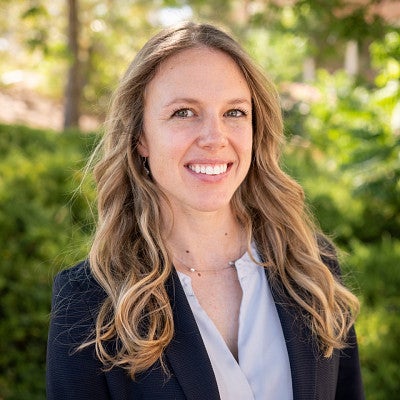
Name: Jacqueline Sheean
Email: j.sheean@utah.edu
Affiliation: University of Utah
Bio:
Jacqueline Sheean is an Assistant Professor of Spanish at the University of Utah. Her book, Capital Cinema: Visualizing Madrid from Dictatorship to Democracy (University of Toronto Press, in press), examines how cinematic representations of Madrid reveal the cultural and material endurance of fascism fifty years after the death of Francisco Franco. Her writing on Iberian cinema and media has appeared in the Journal of Spanish Cultural Studies, Revista de Estudios Hispánicos, Arizona Journal of Hispanic Cultural Studies, and Hispania, among other academic venues.
Abstract:
Teaching History and Memory in the Age of Post-Truth
As Roger Griffin famously argued, the fascist minimum—the core of every fascist regime—is a form of “palingenetic ultranationalism.” In calling for such a phoenix-like rebirth, the fascist myth is both renovative and retrograde—its revolution necessarily involves a historical return. To be sure, fascist ideologies are deeply entwined with historical memory, and when fascist regimes take power, they refigure the nation’s relationship with its past in order to refigure national identity in the present. Through a case study of the media production of Spanish fascism, including the Noticiarios y Documentales produced between 1943 and 1983, popular cinema, and mechanisms of censorship, I illustrate how the Franco regime produced a form of hegemonic “dictatorial memory” that both revises the past and conditions the present. Dictatorial memory presents one narrative of the past while erasing others, thereby restricting any critical examination of the nation’s history. Over time, dictatorial memory thus undermines societal understandings of the past and the present because it eschews the formation of plural narratives. In contrast, a democratic framing of history allows for a plurality of voices, in which the historical narrative is determined through a consensus of the facts. As an examination of the media production of the Franco regime makes clear, the function of propaganda is not just to propagate falsehoods. Instead, as Hannah Arendt suggested, propaganda works by creating an environment in which one can no longer distinguish the truth. Drawing from challenges I have faced in the classroom when teaching about fascist cultures in historical context, I discuss how our understanding of the past is determined through our consensus of the present.
Project Description:
Drawing from challenges I have faced in the classroom when teaching about fascist cultures in historical context, I discuss how our understanding of the past is determined through our consensus of the present. Through a case study of the media production of Spanish fascism, I illustrate how the Franco regime produced a form of hegemonic “dictatorial memory” that both revises the past and conditions the present, restricting critical examination of the nation’s history. In contrast, a democratic framing of history allows for a plurality of voices, in which the historical narrative is determined through a consensus of the facts.
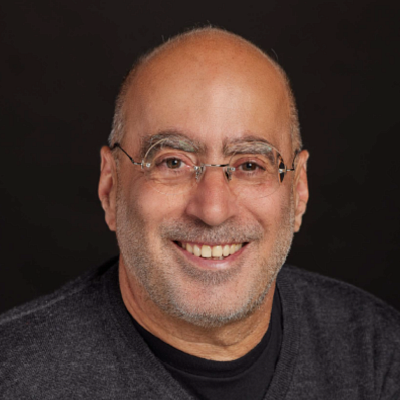
Name: Jeffrey Sommers
Email: sommerjw@uwm.edu
Affiliation: University of Wisconsin-Milwaukee
Bio:
Jefrey Sommers is Professor of Political Economy & Public Policy at the University of Wisconsin-Milwaukee. He maintains a Visiting Professor at Babeș- Bolyai University in Romania and was previously faculty at the Stockholm School of Economics in Riga. He has held four US State Department Fulbright Awards. Additionally, he has served as an invited specialist for a State Department new Ambassador training in Washington, DC. Furthermore, his counsel has been sought by investors, along with ministerial and government leaders through to the prime minister level. He also held an Open Society Foundation grant for a project on emerging global authoritarianism. In addition to his academic work, he has been published in popular outlets such as Financial Times, The New York Times, The Guardian, The Nation, Social Europe, Project-Syndicate, Jacobin and others.
Abstract:
"Education alone does not support democracy, but the right educational content can": Globally, we are seeing the atrophy of open societies, despite increasing economic global integration. Meanwhile, “simulated” forms of democracy are on the rise, e.g. Russia and Brazil, or democracy is in retreat in Europe (e.g. Hungary, et al.) even as levels of education have increased. This research only sketches the beginnings of this broad area for further investigation. It begins by looking at levels of education in Europe to see if they coincide with increasing or decreasing levels of openness in society, or democracy (the latter has often used a synonym for open societies, this is erroneous but nonetheless a convention adopted given its ubiquity). If decreasing, this suggests a re-think is needed on the capacity for education levels alone to increase open societies and a refocusing on the content of what is being taught. Contra the assertions made by trade liberalization theorists in the late twentieth century, global economic integration has not delivered more politically open (or liberal) societies. In fact, just the opposite in many instances.
Project Description:
Preliminary empirical evidence suggests education alone generally provides little protection against threats to open societies. Instead, it is increasing inequality and/or perceptions of unmet expectations for better living standards, along with social turbulence, that correlates with threats to open societies. Thus, it is in this arena that educational efforts must be targeted if one hopes to thwart the rise of populist movements.

Name: Michael Stern
Email: mjstern@uoregon.edu
Affiliation: University of Oregon
Bio:
Michael Stern is an Associate Professor in the Department of German and Scandinavian. His most recent publication is the monograph, Thinking Nietzsche with Africana Thought, published by Bloomsbury Press. The focus of his work revolves around philosophical lineages in conversation and aesthetic philosophy. His contribution to the round table, "The Severed Arm of the Law” looks at the cultural production that came out of the Sami people’s protests against the damming of the river Alta and the subsequent confluence of environmental activism and the cultural renaissance of a marginalized indigenous group.
Roundtable: Resisting Authoritarianism: Europe and the United States
Capitalism’s relentless push for economic productivity has compromised democratic processes, accelerating the exploitation of both natural resources and social systems. Amidst rising social corruption and warfare, this panel examines the emotional toll on students and citizens. We will explore historic German resistance movements following WWI and WWII, the conditions facing the Sámi (the only Aboriginal Peoples of Europe) whose colonization connects these broader struggles to indigenous rights and to local acts of defiance and solidarity in Eugene.
Name: Emily Taylor
Affiliation: Independent Scholar and Honorary Research Fellow, Western Sydney University
Bio:
Emily Taylor is an independent scholar and writer based in the Upstate of South Carolina. She earned her Ph.D. in Comparative Literature from the University of Oregon and is a specialist in Caribbean literature, Latinx literature, and postcolonial and feminist theory. She has published academic essays in Caribbean-Irish Connections, The Journal of West Indian Literature, The Routledge Companion to Anglophone Caribbean Literature, The Southern Quarterly, and in the Cambridge series Caribbean Literature in Transition. She has published articles in Ms. Magazine and writes the newsletter Hot Feminism: Letters from South Carolina.
Abstract:
Faculty at private institutions in South Carolina have assumed that the state government would not attempt to control curriculum or scholarship. While closely tracking threats to dismantle tenure and close “DEI” programs at public institutions, we believed the government would only be able to legislate and cajole schools more directly under their control. This assumption has proven incorrect, however, after recent attempts by state lawmakers to indirectly end academic freedom at private colleges and universities in the state by threatening to pull state lottery scholarship money to students if institutions did not comply with their demands. I am the test case for this strategy: in September I published an essay on toxic masculinity and Charlie Kirk in Ms. Magazine. As director of the Women’s and Gender Studies program at Presbyterian College, I was writing in my academic capacity on a matter of public concern. A local South Carolina House Representative, Luke Rankin, joined others (including the state’s lieutenant governor and a sitting congressman) in condemning the piece and calling for my firing (and the elimination of tenure). Rankin and three other SC House Representative sent a letter to the College demanding they fire me or that PC students would lose the millions of dollars in need-based scholarships (they threatened to strip the funding via a budget proviso). In December, I resigned my full professorship. I am now suing those lawmakers for violating my First Amendment rights, represented by the ACLU of South Carolina, in federal district court. In bringing the case, I hope to dissuade the state government from these attempts to end academic freedom via budgetary threats and coercion. In my presentation, I will describe my experience and outline how and why this case is so important for teaching and scholarship in South Carolina.
Project Description:
Faculty at private institutions in South Carolina have assumed that the state government would not attempt to control curriculum or scholarship. While closely tracking threats to dismantle tenure and close “DEI” programs at public institutions, we believed the government would only be able to legislate and cajole schools more directly under their control. This assumption has proven incorrect, however, after recent attempts by state lawmakers to indirectly end academic freedom at private colleges and universities in the state by threatening to pull state lottery scholarship money to students if institutions did not comply with their demands. My talk will examine threats to academic freedom across the state and focus specifically on the implications of a lawsuit I'm bringing with the ACLU-SC against South Carolina House Representatives.
Name: Benjamin Tromly
Email: btromly@pugetsound.edu
Affiliation: University of Puget Sound
Bio:
I teach Russian, East European and Modern European history at University of Puget Sound. He is the author of Cold War Exiles and the CIA: Plotting to Free Russia (Oxford University Press, 2019) and Making the Soviet Intelligentsia: Universities and Intellectual Life under Stalin and Khrushchev (Cambridge University Press, 2014). I currently hold the James Dolliver National Endowment for the Humanities Distinguished Teaching Professorship for a project on Universities and Authoritarianism.
Abstract:
My paper is entitled “'Viewpoint Diversity' and Academic Freedom in Recent Higher Education Debates in the United States." It is historical analysis of the discourse surrounding “viewpoint diversity,” which has appeared in recent American debates about higher education and academic freedom. It traces the concept from a term coined by libertarian and conservative scholars and activists who sought to oppose what they saw as leftist conformity in universities. “Viewpoint diversity” was taken up by right-wing politicians in recent years and has figured prominently in policy and legal documents in the second Trump Administration. My paper outlines the meaning of “viewpoint diversity” and how it threatens common understandings of academic freedom. It then suggests some reasons for the emergence and “mainstreaming” of this term: the attack on multiculturalism in the universities (especially diversity and inclusion practices); “academic capitalism” in universities, which has promoted the idea of higher learning as a private rather than public good; and the subtle impact of language itself, particularly the deceptive term “viewpoint diversity” which claims to represent academic values but actually subverts them.
Project Description:
My paper examines the role of truth-speaking—parrhesia—in academia and its conceptual relationship to Hannah Arendt’s analysis in On lying in politics. Originating in ancient Greek political culture and later elaborated by Michel Foucault, parrhesia denotes courageous, risk-laden speech in which a speaker articulates uncomfortable truths to power. Within contemporary universities, parrhesia occupies a paradoxical position: institutions formally protect academic freedom, yet scholars frequently confront professional, reputational, and political risks when challenging dominant paradigms, administrative authority, funding structures, or state power. Drawing on Arendt’s distinction between factual truth and opinion, this project argues that academia functions as a fragile sanctuary for factual truth in democratic societies. For Arendt, factual truths are politically vulnerable because they limit power’s capacity to reshape reality through narrative. When universities fail to sustain conditions for parrhesia—through precarity, bureaucratization, or ideological conformity—they risk enabling what Arendt describes as the organized production of falsehood in political life. The study develops a normative framework in which academic parrhesia is not merely an individual virtue but an institutional responsibility.
Name: Johannes Türk
Email: joturk@iu.edu
Affiliation: Indiana University Bloomington
Bio:
I am Associate Professor of German and Comparative Literature at Indiana University where I also serve as Chair of the Department of Germanic Studies. I have published a book on the history of immunity and literature since antiquity as well as authors ranging from Montaigne, Kafka, Thomas Mann, Dante, and Jünger to Carl Schmitt. More recently, I have published on higher education for example here: http://utotherescue.blogspot.com/2025/11/anatomy-of-fall-case-of-indian….
Abstract:
Parrhesia and the Contemporary University
My paper examines the role of truth-speaking—parrhesia—in academia and its conceptual relationship to Hannah Arendt’s analysis On Lying and Politics. Originating in ancient Greek political culture and later elaborated by Michel Foucault, parrhesia denotes courageous, risk- laden speech in which a speaker articulates uncomfortable truths to power. Within contemporary universities, parrhesia occupies a paradoxical position: institutions formally protect academic freedom, yet scholars frequently confront professional, reputational, and political risks when challenging dominant paradigms, administrative authority, funding structures, or state power. Drawing on Arendt’s distinction between factual truth and opinion, this project argues that academia functions as a fragile sanctuary for factual truth in democratic societies. For Arendt, factual truths are politically vulnerable because they limit power’s capacity to reshape reality through narrative. When universities fail to sustain conditions for parrhesia—through precarity, bureaucratization, or ideological conformity—they risk enabling what Arendt describes as the organized production of falsehood in political life. The study develops a normative framework in which academic parrhesia is not merely an individual virtue but an institutional responsibility.
Project Description:
My paper examines the role of truth-speaking—parrhesia—in academia and its conceptual relationship to Hannah Arendt’s analysis in On lying in politics. Originating in ancient Greek political culture and later elaborated by Michel Foucault, parrhesia denotes courageous, risk-laden speech in which a speaker articulates uncomfortable truths to power. Within contemporary universities, parrhesia occupies a paradoxical position: institutions formally protect academic freedom, yet scholars frequently confront professional, reputational, and political risks when challenging dominant paradigms, administrative authority, funding structures, or state power. Drawing on Arendt’s distinction between factual truth and opinion, this project argues that academia functions as a fragile sanctuary for factual truth in democratic societies. For Arendt, factual truths are politically vulnerable because they limit power’s capacity to reshape reality through narrative. When universities fail to sustain conditions for parrhesia—through precarity, bureaucratization, or ideological conformity—they risk enabling what Arendt describes as the organized production of falsehood in political life. The study develops a normative framework in which academic parrhesia is not merely an individual virtue but an institutional responsibility.